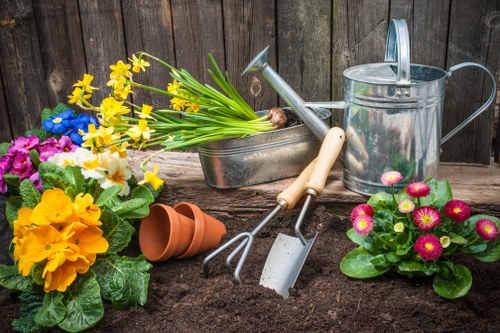
Comprehensive Guide to Garden Maintenance in Shadwell
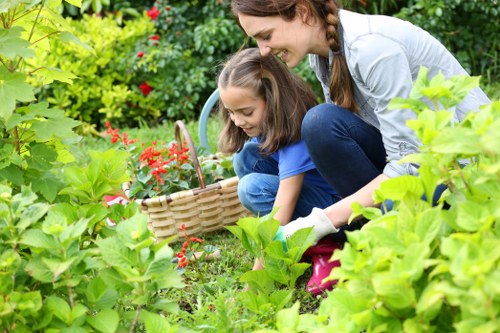
Garden maintenance is essential for keeping your outdoor space healthy, vibrant, and a true extension of your home. In Shadwell, where the community values both aesthetics and sustainability, regular garden upkeep ensures that your garden remains a beautiful and functional area year-round.
Whether you're a seasoned gardener or a novice, understanding the basics of garden maintenance can help you achieve the garden of your dreams. This guide covers everything from basic lawn care to seasonal maintenance tips, providing you with the knowledge to maintain a thriving garden in Shadwell.
Maintaining a garden involves a variety of tasks that contribute to the overall health and appearance of your plants and outdoor space. From proper watering techniques to effective pest control, each aspect plays a crucial role in garden upkeep.
Essential Garden Maintenance Services
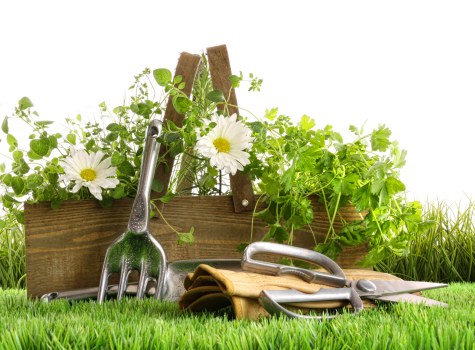
Professional garden maintenance services in Shadwell offer a range of solutions to keep your garden in top condition. These services are tailored to meet the specific needs of your garden, ensuring that every aspect is well-cared for.
Lawn care is a fundamental component of garden maintenance. Regular mowing, aeration, and fertilization help maintain a lush and healthy lawn. In Shadwell's climate, choosing the right grass type and care regimen is essential for optimal growth.
Pruning and trimming are vital for the health of your plants. Proper pruning techniques promote growth, remove dead or diseased branches, and enhance the overall shape and appearance of your shrubs and trees.
Pest and Disease Control

Effective pest and disease control ensures that your plants remain healthy and free from harmful infestations. Integrated Pest Management (IPM) strategies are commonly used in Shadwell to minimize the use of chemicals while effectively managing pests.
Regular monitoring and early detection are key to preventing severe pest problems. Professional landscapers can identify signs of pests or diseases early and apply appropriate treatments to protect your garden.
Organic pest control methods are also gaining popularity, aligning with Shadwell's emphasis on sustainability and eco-friendly practices. These methods minimize environmental impact while effectively managing garden pests.
Seasonal Garden Maintenance Tips

Adapting your garden maintenance routine to the changing seasons is crucial for sustained garden health. Each season presents unique challenges and opportunities for garden care.
- Spring: Focus on planting new flowers, pruning shrubs, and preparing soil for the upcoming growing season.
- Summer: Emphasize regular watering, pest control, and deadheading flowers to encourage continuous blooming.
- Autumn: Prepare plants for winter by mulching, dividing perennials, and protecting sensitive plants from frost.
- Winter: Maintain garden tools, plan for the next planting season, and protect plants from extreme cold.
Understanding the specific needs of your garden during each season ensures that your plants receive the care they need to thrive throughout the year.
Implementing a seasonal maintenance schedule helps organize your garden tasks, making it easier to manage and maintain your outdoor space effectively.
Spring Maintenance
Spring is a time of renewal and growth. Start by clearing any debris accumulated over the winter, such as fallen leaves and dead branches. This not only improves the garden's appearance but also prevents the spread of diseases.
Preparing the soil is essential for successful planting. Test the soil pH and nutrient levels, and amend as necessary to provide a fertile environment for new plants.
Planting early spring flowers and vegetables can take advantage of the mild temperatures and longer daylight hours, setting the stage for a productive growing season.
Summer Maintenance
During the summer months, consistent watering is critical. Installing an efficient irrigation system can help maintain optimal soil moisture levels, especially during hot and dry spells.
Regularly inspect your plants for signs of stress, such as wilting or discoloration, and adjust care routines accordingly. Mulching can help retain soil moisture and suppress weeds.
Continued pest management is necessary to protect your garden from invasive species that thrive in warmer weather.
Autumn Maintenance
As the weather cools, focus on cleaning up fallen leaves and debris to prevent fungal growth and pest infestations. Mulching fallen leaves can enrich the soil with organic matter.
Pruning is important in autumn to remove dead or damaged branches, promoting healthier growth in the spring.
Preparing your garden for winter includes protecting sensitive plants from frost and extreme cold, ensuring they survive the dormant season.
Winter Maintenance
Winter is a time for planning and maintenance. Sharpen and clean your garden tools to ensure they're ready for the next planting season.
Take inventory of your garden supplies, such as fertilizers and mulches, and restock as needed.
Insulating plants and using protective coverings can help shield them from harsh winter conditions, preventing damage and promoting healthy growth in the spring.