Lawn Mowing Shadwell: Recycling and Sustainability Commitment
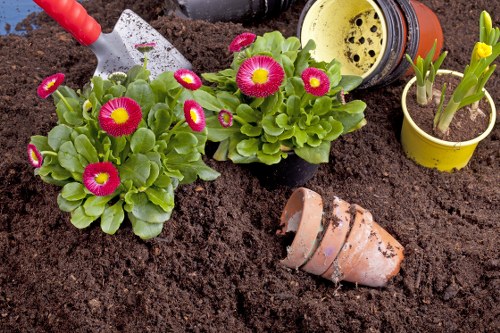 Welcome to our sustainability page for Lawn Mowing Shadwell. We outline how our Shadwell lawn care and garden waste services prioritise an eco-friendly waste disposal area and a practical, sustainable rubbish gardening area across the neighbourhood. Our approach to lawn mowing in Shadwell balances tidy, healthy greenspaces with strong environmental practices: minimising landfill, returning nutrients to soil, and supporting borough-level recycling efforts.
Our sustainable lawn maintenance focuses on simple, effective site systems so that every cut, clippings collection and soil removal is handled responsibly. We apply clear on-site separation of materials — grass clippings, small branches, soil and mixed recyclables — so that the right streams reach composting, chipping or proper recycling facilities. This complements the boroughs' approach to waste separation by supporting separate green and dry recycling streams rather than contaminating loads.
 Targets and measurable goals: our core recycling percentage target is to divert at least 80% of all garden and green waste from landfill across Lawn Mowing Shadwell operations by the end of 2026, with a longer-term ambition to reach 90% reuse/composting of green waste. We also commit to a minimum 70% overall recycling rate for mixed materials produced from jobs (plastics, metals from equipment, packaging). To meet those aims we use the following practices:
- Separate collection bins on-site for green waste, soil/aggregate, and mixed recyclables.
- Composting and chipping of woody material to produce mulch that can be reused in local community planting.
- Segregation of plastics and metals for transfer to accredited recycling processors.
Local transfer stations and borough links
We coordinate with local transfer stations and household waste recycling centres serving East London and the surrounding boroughs, ensuring materials from Shadwell are processed close to source. By routing green loads to authorised transfer facilities and civic amenity sites in the borough and neighbouring councils, we reduce haul distances and improve processing rates. Our logistics are designed to respect the Tower Hamlets-style emphasis on separated collections and local processing — supporting food, garden and dry recyclable workflows where possible.
 Community partnerships and reuse are central to our model. We work with local charities, allotment groups and community farms to give healthy soil, good-quality compost and usable mulch a second life. These relationships include donating surplus compost and plantable material to community projects, supporting urban greening and social horticulture schemes. Strong partnerships with local non-profits and volunteer-run gardens help ensure resource reuse rather than disposal.
Examples of partnership activities include collecting surplus turf and soil for renovation projects at community gardens, sharing chipped wood for community path maintenance, and arranging bulk deliveries of compost to charitable organisations who run food-growing plots. These initiatives reduce waste and help local groups thrive.
Low-carbon fleet and sustainable operations
Our fleet strategy for Shadwell lawn maintenance prioritises low-carbon vans and efficient routing. We operate a mix of electric vans for light loads, hybrid support vehicles and, where suitable, e-cargo bikes for small jobs and inner-street collections. Using electric vehicles during daytime neighbourhood rounds reduces emissions and noise. Combined with route optimisation software, this approach lowers fuel use, shortens trips to local transfer stations and contributes to our carbon reduction KPIs.
 Internal operations practice a strict on-site sorting protocol: all teams carry clearly labelled containment kits to separate grass clippings, small woody debris, soil and construction-like rubble. Chipping and composting happens either on-site (small-scale) or at partner green waste centres; larger woody items are routed to shredding facilities that supply local landscape projects. We ensure that plastics, cans and other recyclables are separated and sent to licensed recyclers rather than being mixed into green loads.
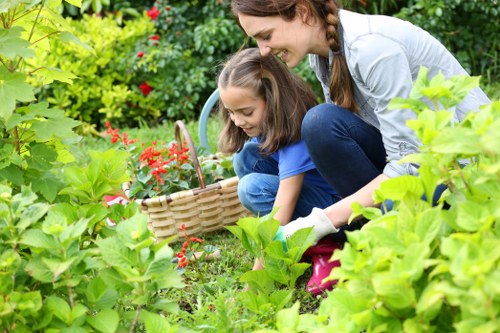 To keep accountability transparent we track our performance against measurable KPIs. Our reporting aims include:
- Monthly recycling percentage by weight for garden and mixed waste streams;
- Number of tonnes of green waste diverted to composting/chipping;
- Reduction in vehicle miles by optimising low-carbon runs and consolidating trips to transfer stations.
Across every Shadwell lawn mowing job we apply practical steps to reduce environmental impact: preferentially using battery-powered tools where possible, conducting fuel-efficient scheduling for petrol-powered kit, and reusing organic materials as mulch or compost. Small operational changes — such as keeping blades sharp to reduce engine time and placing collection points to minimise double-handling — add up to significant benefits for neighbourhood sustainability.
Our lawn & garden recycling programme also includes staff training in waste separation, clear labelling of vehicle containment boxes, and regular audits with local transfer stations to ensure compliance and maximise recycling rates. We avoid contaminating green waste with mixed rubbish and work with borough waste teams to conform with local expectations for separated collections.
By combining community partnerships, targeted recycling goals, collaboration with local transfer stations and a low-carbon transport policy, Lawn Mowing Shadwell aims to lead by example for an eco-friendly waste disposal area and a sustainable rubbish gardening area. We are committed to measurable progress and local environmental stewardship — creating better green spaces for everyone while protecting the planet.